spanish chart yo tu el. Él and ella are commonly used in place of a person's name. You cannot use tú to address a group of people.

spanish chart yo tu el Also, the accent on the “u” is not. “el pronombre personal vos” is used in several latin american countries, although it is quite informal. When you are talking directly to a child, a relative, a friend, a peer, or a pet, you should use tú, the informal singular second person.
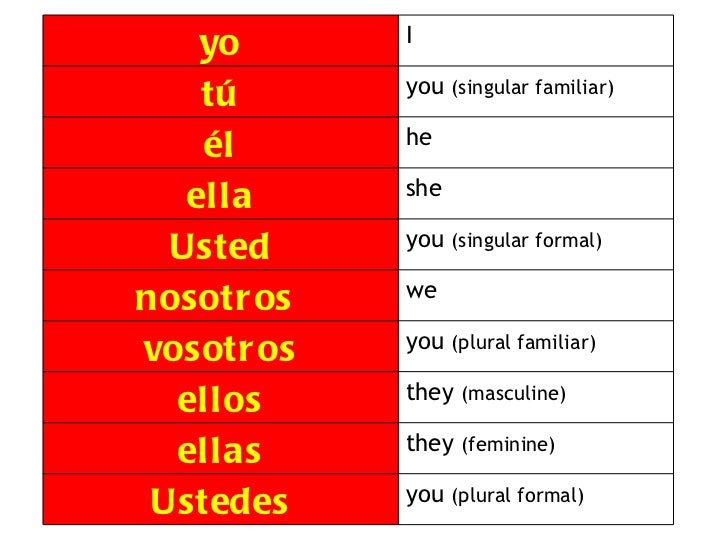
+Vosotros(as)+Tú.jpg "Yo Tu El Ella Chart A Visual Reference of Charts Chart Master")
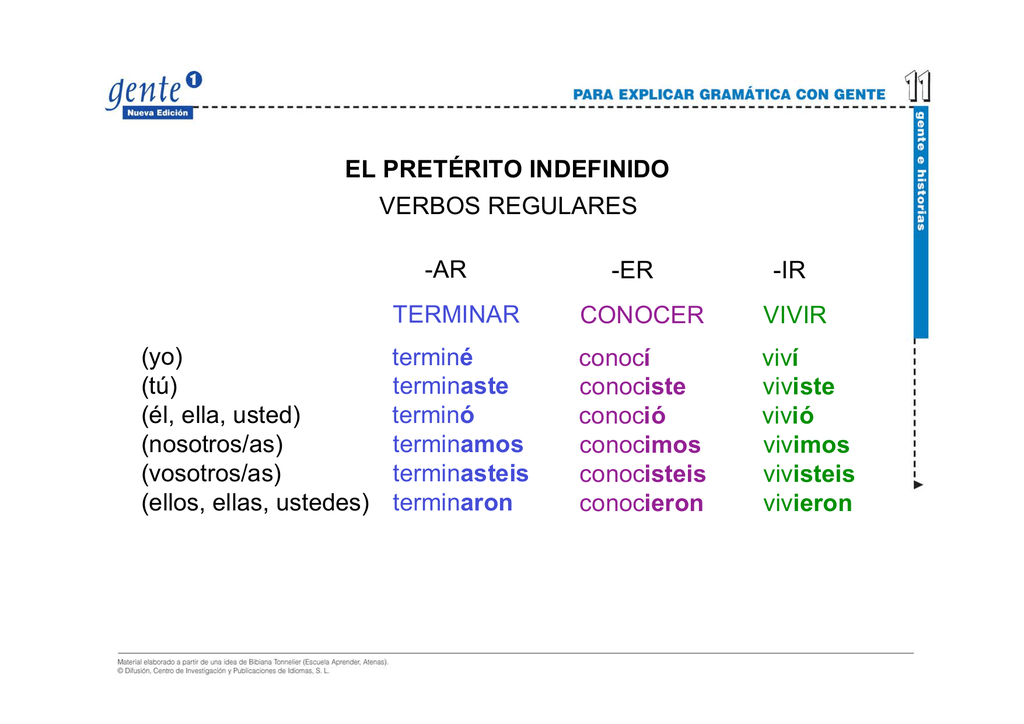
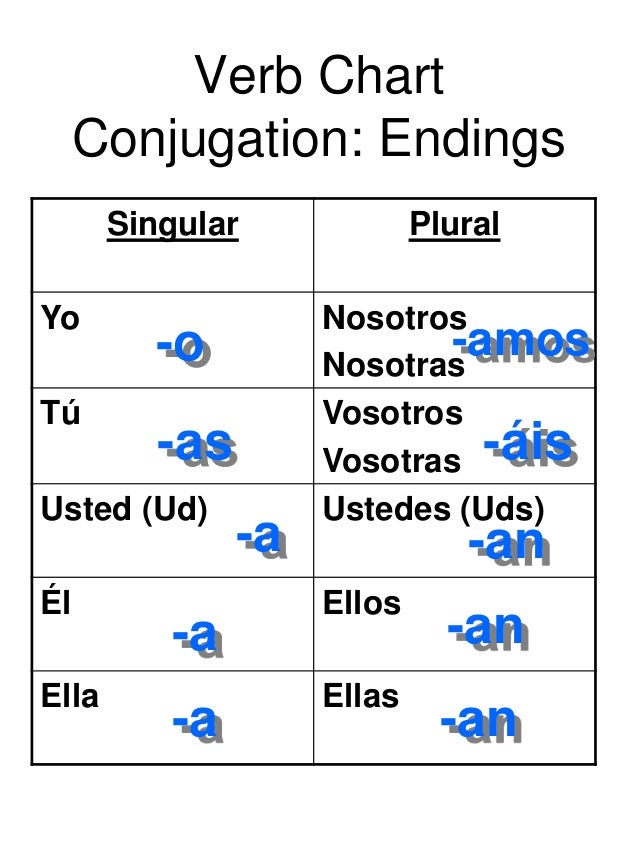


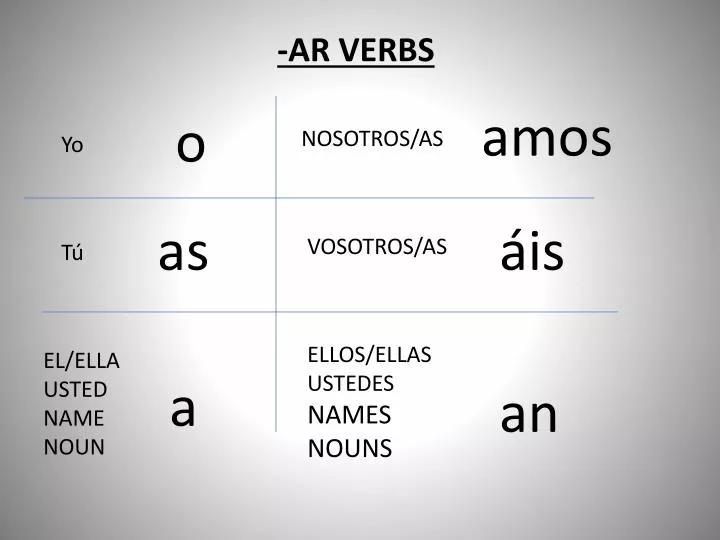

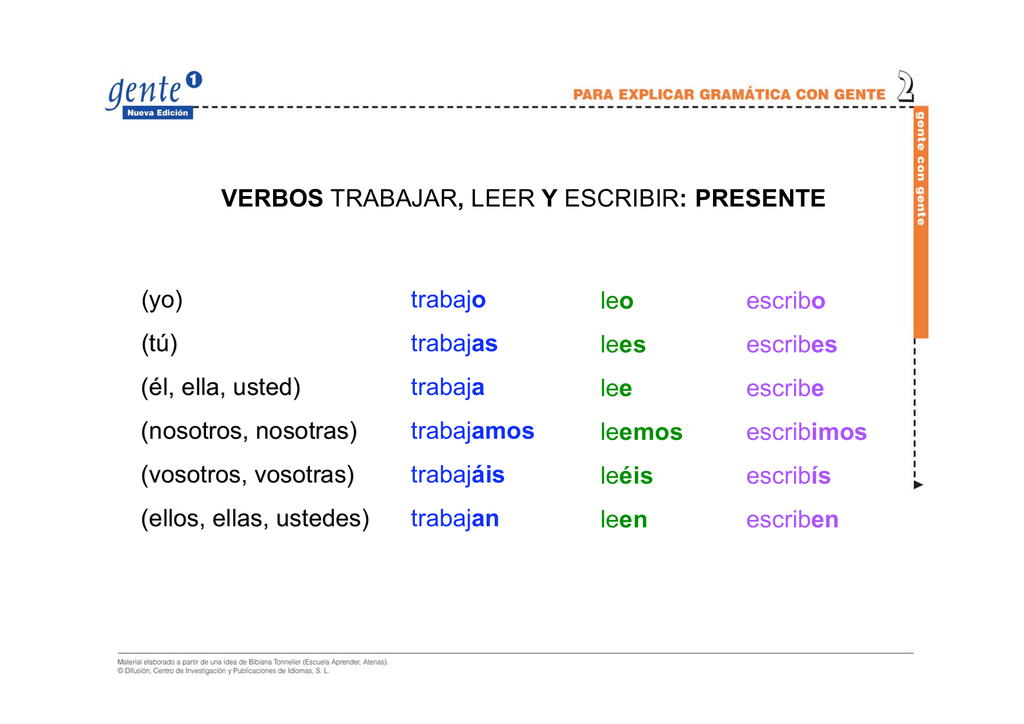


If There Are Only Women (Or Girls) In The Group, And No Men, Then We Will Be.
You cannot use tú to address a group of people. If there is at least one man (or boy) in the group of people, then we will be nosotros in spanish. When you are talking directly to a child, a relative, a friend, a peer, or a pet, you should use tú, the informal singular second person.
Spanish Subject Pronouns Are A Type Of Pronoun That Refer To Subjects Of The Sentence, In English They Are I, You, He, She, You, We, They And It, In.
Él and ella are commonly used in place of a person's name. Él is written with a tilde to differentiate it from the definite article el (the). Know that when writing these words, you must add tilde to some of them like “él” and “tú”, otherwise you would be making a spelling mistake.
Also, The Accent On The “U” Is Not.
There are thirteen subject pronouns in spanish. Here is a chart for spanish subject pronouns and their corresponding meaning in english. “el pronombre personal vos” is used in several latin american countries, although it is quite informal.
Tú Can Only Be Singular;
These pronouns are classified into singular and plural based on the number of people they refer to. To say “you” in spanish, say tú.